Artificial Grass and Dog Waste: Keeping Your Turf Clean and Odor-Free
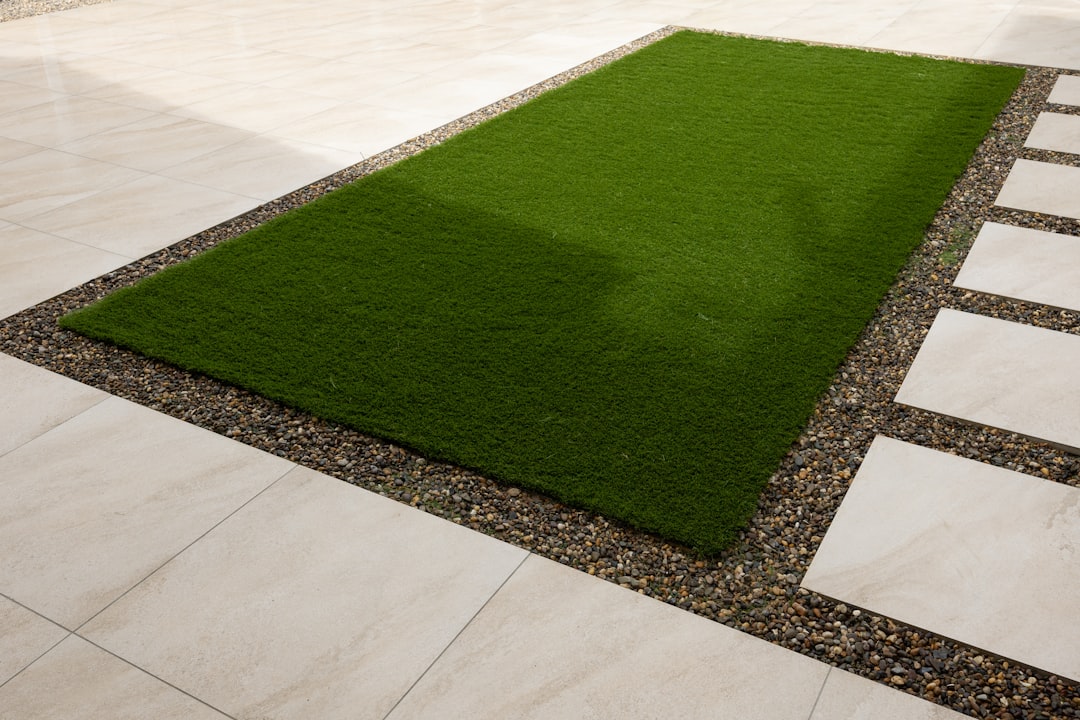
Artificial grass has exploded in popularity across the Pacific Northwest over the past decade. And honestly? It makes a lot of sense here. In a region where natural lawns spend half the year fighting moss, drowning in rain, and turning into mud pits, synthetic turf offers a green, low-maintenance alternative that looks great year-round.
But if you have dogs, and in Western Washington, about 47% of households do, artificial grass introduces a set of maintenance challenges that most homeowners don’t anticipate until they’re living with them. The sales pitch mentions “pet-friendly” and “easy to clean,” and while those claims aren’t wrong exactly, they’re leaving out some important details.
Here’s the reality: dog waste and artificial turf interact differently than dog waste and natural grass. The cleaning methods are different. The risks are different. And if you don’t manage it properly, that pristine green carpet can become an odor trap that makes you question the entire investment.
This guide covers everything you need to know, from daily maintenance to professional cleaning services to PNW-specific challenges that turf installers might not have mentioned.
Why Artificial Turf Requires Different Waste Management
Natural grass has a built-in waste management system. Soil microorganisms break down organic matter. Rain percolates through soil layers, carrying dissolved waste into the ground. Earthworms, insects, and bacteria work continuously to decompose what’s deposited on the surface. It’s not fast, and it’s not perfect (as we’ve covered extensively in our guide to pet feces health risks), but nature does provide some baseline processing.
Artificial turf has none of this. Here’s what’s different:
No Biological Decomposition
Synthetic fibers don’t host the microbial communities that break down organic waste. Dog feces on artificial turf will sit exactly where it lands, unchanged, until you physically remove it. There’s no “it’ll break down eventually” option.
Urine Doesn’t Drain the Same Way
This is the big one that surprises most artificial turf owners. On natural grass, urine absorbs into soil where bacteria process it. On artificial turf, urine passes through the permeable backing and collects in the base layer (typically crushed rock or sand). Over time, this creates:
- Ammonia buildup in the base layer
- Persistent odor that worsens in warm weather
- Bacterial colonies in the infill and backing material
- Crystallized urine salts that are extremely difficult to remove once established
In the Pacific Northwest, where summers can hit the 80s and 90s for stretches in July and August, a turf installation that seemed fine during the cool months can suddenly develop an overwhelming odor when temperatures rise. This is almost always the result of accumulated urine residue in the base layer.
Waste Residue Gets Trapped in Fibers
Even after you pick up solid waste, residue remains on and between the synthetic fibers. On natural grass, rain and soil organisms help process this residue. On artificial turf, it clings to the fibers, gets pushed into the infill, and becomes a food source for odor-causing bacteria.
Infill Contamination
Most artificial turf installations include an infill layer, typically crumb rubber, silica sand, or a combination, that helps the blades stand upright and provides cushion. Pet waste residue gradually contaminates this infill, which is extremely difficult to clean or replace without professional equipment.
Daily and Weekly Maintenance: What You Should Be Doing
Proper maintenance starts with consistent daily habits. Here’s the routine that keeps artificial turf clean and odor-free:
Daily Tasks
Pick up solid waste immediately. This is even more critical on artificial turf than on natural grass. Every hour that waste sits on synthetic fibers, residue is transferring into the turf. Use a pooper scooper or bag, don’t use a garden hose to try to blast it away, as this pushes waste particles deeper into the infill.
Rinse urine areas. When you see your dog urinate on the turf, give the area a quick rinse with a garden hose. This dilutes the urine and helps it pass through the backing rather than concentrating in the fiber layer. This single habit, rinsing after urination, is the most effective daily action you can take to prevent odor buildup.
Weekly Tasks
Full-surface rinse. Once a week, give the entire turf area a thorough rinse with your garden hose. In summer, increase this to 2-3 times per week. This helps flush accumulated urine residue from the fiber layer and infill.
Enzyme cleaner application. Apply a turf-safe enzyme cleaner to high-use areas weekly. Enzyme cleaners are fundamentally different from standard cleaners, they contain biological enzymes that actually break down the organic compounds causing odor, rather than just masking them. More on this below.
Brush or rake the turf. Use a stiff-bristled brush (not metal, it can damage fibers) or a turf rake to work against the grain of the fibers. This lifts matted areas, redistributes infill, and helps expose residue for cleaning.
Inspect for damage. Check seams, edges, and high-traffic areas for wear, separation, or drainage issues. Early detection of problems prevents costly repairs.
Monthly Tasks
Deep enzyme treatment. Apply enzyme cleaner to the entire surface, not just pet areas, and allow it to work for the recommended dwell time (usually 15-30 minutes) before rinsing.
Infill redistribution. Foot traffic and pet activity can displace infill, creating low spots and exposed backing. Redistribute infill as needed using a drop spreader or by hand.
Check drainage. Pour water on different sections of the turf and observe how quickly it drains. Slow drainage indicates compacted infill or clogged backing, both of which trap pet waste residue and worsen odor.
Enzyme Cleaners: The Science Behind the Solution
If there’s one product category that artificial turf dog owners need to understand, it’s enzyme cleaners. They’re not optional, they’re essential.
How They Work
Enzyme cleaners contain specific biological enzymes (typically protease, lipase, and amylase) along with beneficial bacteria. When applied to organic waste residue:
- Enzymes break down complex organic molecules (proteins, fats, uric acid) into simpler compounds
- Beneficial bacteria consume these simpler compounds as food
- The byproducts are water and carbon dioxide, not odor compounds
- The result is actual elimination of the odor source, not masking
This is fundamentally different from:
- Bleach/disinfectants: Kill bacteria but don’t break down organic residue. The residue remains, and bacteria recolonize quickly.
- Scented cleaners: Mask odor temporarily. The underlying problem persists and often worsens.
- Vinegar: Provides some short-term odor reduction but doesn’t break down uric acid crystals. The acidity can also affect certain infill materials.
- Baking soda: Absorbs some odor temporarily but doesn’t address the source. Residue can also clog turf backing.
What to Look For in a Turf Enzyme Cleaner
- Specifically formulated for artificial turf, not all enzyme cleaners are turf-safe. Some contain ingredients that can damage synthetic fibers or degrade infill.
- Contains uric acid-targeting enzymes, standard enzyme cleaners may break down proteins and fats but not the uric acid crystals that are the primary source of persistent urine odor.
- Non-toxic and pet-safe, your dog will be walking on this surface immediately after treatment.
- Concentrated formulas, they offer better value and allow you to adjust dilution ratios for maintenance cleaning vs. deep treatment.
- No artificial fragrances, if the product relies on fragrance, it’s masking, not solving. The best enzyme cleaners are nearly odorless.
Application Tips
- Apply to dry turf when possible, enzyme cleaners work best when they can penetrate fibers without being diluted by standing water. In the PNW, this means timing your application for dry periods (or at least waiting for a few dry hours).
- Use a pump sprayer for even distribution across the surface.
- Allow full dwell time, don’t rinse immediately. Enzymes need time to work. Follow the product’s instructions, typically 15-30 minutes minimum.
- Apply more frequently in warm weather, bacterial activity increases with temperature, so both the problem and the solution work faster in summer.
- Focus on favorite spots, dogs tend to urinate in the same areas repeatedly. These spots need the most attention.
Professional Turf Cleaning Services
Even with diligent daily maintenance, artificial turf with dog use benefits enormously from periodic professional cleaning. Here’s why:
What Professionals Do That You Can’t
High-pressure rinsing with turf-safe equipment. Professional-grade equipment delivers precise pressure that flushes contaminated infill without displacing it or damaging the turf backing. Your garden hose can’t match this.
Commercial-grade enzyme treatments. Professional cleanup services use concentrated enzyme formulations with longer dwell times and more targeted application than consumer products.
Infill extraction and replacement. Over time, severely contaminated infill may need to be partially or fully extracted and replaced. This requires specialized equipment, essentially a turf vacuum that removes infill, followed by replacement with fresh material.
Antimicrobial treatments. Some professional services offer antimicrobial applications that reduce bacterial colonization in the infill layer for extended periods.
Grooming and fiber restoration. Professional-grade turf brushing equipment restores fiber orientation, redistributes infill evenly, and removes matted areas that trap waste residue.
How Often Should You Schedule Professional Cleaning?
For artificial turf used by dogs, the general recommendation is:
- Quarterly professional cleaning for households with 1 dog
- Bi-monthly (every 2 months) for 2+ dogs
- Monthly for heavy use or when odor is a persistent issue
- Annual deep clean with infill assessment for all installations
Cost Expectations
Professional artificial turf cleaning for pet waste management typically costs:
- Basic cleaning (rinse + enzyme treatment): $100-200 per visit for a standard residential installation (200-500 sq ft)
- Deep cleaning (rinse + enzyme + grooming): $200-400 per visit
- Infill extraction and replacement: $500-1,500+ depending on area size (this is a major service, typically done every 2-5 years)
These costs are in addition to regular waste pickup service. Many pet owners in Western Washington combine regular waste removal (weekly scooping) with periodic professional turf cleaning for a comprehensive approach. Dooky Squad serves artificial turf properties across Pierce and Kitsap counties, talk to us about bundling waste removal with turf maintenance.
PNW-Specific Considerations for Artificial Turf and Dogs
Living in Western Washington with artificial turf and dogs involves some challenges that don’t exist (or aren’t as severe) in other climates:
Moss and Algae Growth
Yes, artificial turf can develop moss and algae, especially in the Pacific Northwest. Shaded areas, persistent moisture, and organic debris create conditions where moss colonizes the turf surface and infill. Dog waste residue exacerbates this by providing nutrients for moss growth.
Prevention: Keep the turf surface clean of organic debris (leaves, needles, pet waste). Ensure adequate drainage. Apply turf-safe moss treatments as needed. Properties in wooded areas, common throughout Gig Harbor’s Longbranch peninsula and parts of Port Orchard, may need more frequent moss management.
Treatment: Moss can be removed with a stiff brush and turf-safe moss killer. Severe infestations may require professional treatment. Do not use pressure washers at full power, this can damage fibers and displace infill.
Moisture Retention
The Pacific Northwest’s frequent rain keeps artificial turf wet for extended periods. While properly installed turf drains well, the base layer and infill can retain moisture, creating an environment where bacteria from pet waste thrive.
Management: Ensure your installation has proper drainage (percolation rate of 30+ inches per hour is recommended). Address any areas where water pools or drains slowly. Use enzyme cleaners that work effectively in moist conditions. Consider perforated backing upgrades if your turf was originally installed without a pet-specific drainage design.
Seasonal Odor Cycles
In Western Washington, artificial turf odor from pet waste follows a predictable seasonal pattern:
- Fall/Winter (October-March): Cool temperatures suppress bacterial activity and odor production. You may not notice any smell even with accumulated residue.
- Spring (April-May): As temperatures rise, dormant bacteria become active and begin producing odor compounds. This is often the first time owners realize there’s been a buildup all winter.
- Summer (June-September): Peak odor season. Warmer temperatures accelerate bacterial activity, and dry periods concentrate urine residue. This is when neglected turf becomes unbearable.
- Early Fall (September-October): Odor begins to diminish as temperatures cool, but the underlying contamination remains.
Strategy: Don’t wait for summer to address odor. Begin aggressive enzyme treatment in spring (March-April) to break down winter accumulation before temperatures spike. Schedule a professional deep clean in late spring to start summer with a clean baseline.
Leaf and Needle Accumulation
Douglas fir needles, cedar fronds, maple leaves, and other PNW tree debris accumulate on artificial turf and create additional challenges:
- Debris traps pet waste residue making it harder to clean
- Decomposing organic matter provides nutrients for moss and bacteria
- Matted debris blocks drainage and holds moisture against the turf surface
Solution: Regular debris removal is essential. Use a leaf blower (on a low setting to avoid displacing infill) or a turf rake. Keep overhanging branches trimmed when possible. In heavily treed properties, especially common in Frederickson and the wooded neighborhoods of Port Orchard, budget for more frequent debris removal.
Design Tips for Dog-Friendly Artificial Turf
If you’re considering installing artificial turf or modifying an existing installation, these design choices can significantly reduce pet waste management challenges:
Designated Potty Area
Create a specific area with pet-specific turf (shorter pile height, maximum drainage) where your dog is trained to go. This concentrates waste in one area that can be intensively managed, keeping the rest of your turf cleaner.
Drainage Planning
Standard artificial turf drainage is adequate for rain. It is not always adequate for daily pet use. Discuss your pet situation with your installer and consider:
- Enhanced base preparation with higher percolation rates
- French drain installation beneath high-use pet areas
- Sloped grading to direct urine flow away from gathering areas (patios, seating areas)
Infill Selection
Not all infill is created equal for pet households:
- Zeolite infill: A natural mineral that absorbs ammonia and neutralizes urine odor. More expensive than standard infill but significantly reduces odor issues. Highly recommended for pet owners.
- Silica sand: Common standard infill. Functional but doesn’t provide odor control.
- Crumb rubber: Most affordable but can retain urine odor and is less breathable. Not ideal for heavy pet use.
- Acrylic-coated sand: A middle ground that resists moisture absorption and bacterial colonization better than raw silica.
For PNW pet owners, zeolite or zeolite-blend infill is the strongest recommendation. The upfront cost premium is offset by dramatically reduced odor issues and lower ongoing maintenance costs.
Antimicrobial Turf Options
Some manufacturers now offer artificial turf with built-in antimicrobial treatment in the fibers. While this doesn’t eliminate the need for cleaning, it reduces bacterial colonization between cleanings and can extend the effective life of enzyme treatments.
When to Call a Professional: Warning Signs
Even with good maintenance, there are situations where professional intervention is the right call:
- Persistent odor that doesn’t respond to enzyme treatment, this usually indicates deep infill contamination that requires extraction
- Visible discoloration of turf fibers in pet areas, bacterial staining that surface cleaning can’t address
- Drainage problems, water pooling on the surface longer than a few minutes after rain
- Moss or algae growth that returns quickly after DIY treatment
- Matted or flattened fibers that don’t recover with brushing
- You’re overwhelmed, sometimes the maintenance has gotten away from you, and a professional reset is the fastest path back to a clean, functional turf
There’s no shame in calling for help. Artificial turf maintenance with dogs is genuinely more demanding than most people expect, and a professional deep clean every few months can be the difference between a surface you love and one you regret. Our residential service covers turf properties, and we also offer specialized deodorizing treatments for stubborn odor issues.
The Bottom Line: Artificial Turf + Dogs Works, With Effort
Let’s be clear: artificial grass can be an excellent choice for dog owners in the Pacific Northwest. It eliminates mud tracking, stays green year-round, doesn’t develop bare spots from dog traffic, and holds up to heavy use. Many of our customers across Tacoma, Gig Harbor, Bremerton, Silverdale, and surrounding communities have artificial turf and love it.
But it’s not maintenance-free. Not with dogs. The “install it and forget it” promise that some turf companies sell doesn’t account for the realities of daily pet use. What artificial turf actually offers is a different maintenance equation, you’re trading mowing, fertilizing, watering, and weed control for waste pickup, rinsing, enzyme treatment, and periodic professional cleaning.
For many pet owners, that’s a worthwhile trade. You just need to go in with realistic expectations and a maintenance plan.
And if the maintenance piece is what’s holding you back, or if you’ve already installed turf and the reality has set in, professional waste removal and turf cleaning services exist specifically for this situation. Dooky Squad handles both regular waste pickup and turf-specific maintenance for homeowners across Western Washington. It’s what we do.
Frequently Asked Questions
Can dogs use artificial grass?
Absolutely. Artificial grass is widely used by dog owners and is a popular choice for pet areas, dog runs, and full-yard installations. Modern pet-specific turf products feature enhanced drainage, antimicrobial treatments, and durable fibers designed for animal use. However, artificial turf with dogs requires different maintenance than natural grass, particularly around urine management and odor control.
Why does my artificial grass smell like dog urine?
Urine passes through the turf backing and accumulates in the infill and base layer. Over time, bacteria break down urine compounds and produce ammonia and other odor-causing gases. The smell intensifies in warm weather when bacterial activity increases. Inadequate rinsing, lack of enzyme cleaner application, and poor drainage all contribute. In the Pacific Northwest, winter accumulation often becomes noticeable in spring as temperatures rise.
What is the best cleaner for artificial grass with dogs?
Enzyme-based cleaners specifically formulated for artificial turf are the most effective option. These products contain biological enzymes that break down uric acid crystals and organic residue at the molecular level, eliminating odor sources rather than masking them. Avoid bleach, vinegar, or scented cleaners, they don’t address the underlying problem and can damage turf fibers or infill.
How do I get dog poop off artificial grass?
Pick up solid waste promptly using a pooper scooper or bag, the same way you would on natural grass. After removing the solid waste, rinse the area with a garden hose to flush any residue from the fibers. For any remaining stain or residue, apply a turf-safe enzyme cleaner and allow it to work for the recommended dwell time before rinsing again. Avoid using high-pressure water directly on the affected area, as this can push residue deeper into the infill.
How often should artificial turf be professionally cleaned if I have dogs?
For households with one dog, quarterly professional cleaning is recommended. Two or more dogs should consider bi-monthly (every two months) professional service. Monthly cleaning may be appropriate for heavy use situations. Additionally, an annual deep clean with infill assessment is recommended for all pet-use installations. In the Pacific Northwest, scheduling a professional clean in late spring (April-May) is especially important to address winter accumulation before summer heat intensifies any odor issues.
Does artificial turf get moss with dog waste?
Yes, particularly in the Pacific Northwest. Moss grows on artificial turf when conditions include shade, persistent moisture, and organic nutrients, and dog waste residue provides those nutrients. Shaded installations in wooded areas of Kitsap County are particularly susceptible. Regular cleaning, debris removal, and turf-safe moss treatments help prevent colonization. Severe cases may require professional treatment.
Is zeolite infill worth the extra cost?
For dog owners, yes. Zeolite is a natural mineral that absorbs ammonia and neutralizes urine odor at the infill level. While it costs more upfront than standard silica sand or crumb rubber, it significantly reduces odor issues and can lower your ongoing maintenance costs and frequency. For Pacific Northwest installations where moisture retention is already a challenge, zeolite infill provides a meaningful performance advantage.
Need Help With Your Turf?
We handle waste removal and turf maintenance for artificial grass properties across Western Washington.
Schedule Your Service