Pet Waste Station Maintenance: Schedules, Costs, and Common Failures
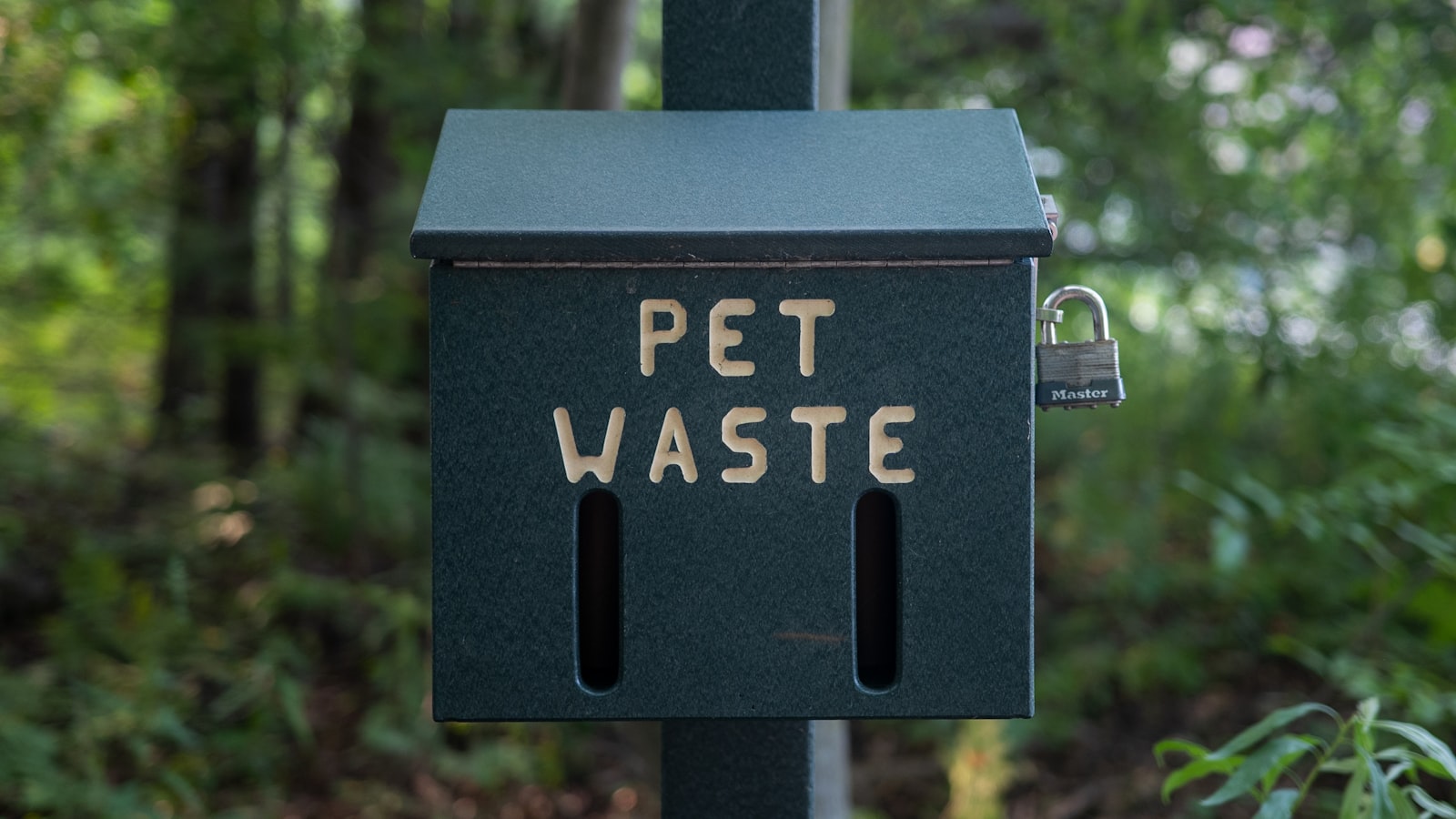
The pet waste station the previous board installed two years ago is empty. The receptacle is overflowing. The post is leaning at a 15-degree slant. The dispenser plastic is cracked. The sign is so faded you can barely read “Please Be A Responsible Pet Owner.”
And every resident who walks past it is thinking the exact same thing: if management can’t even keep the station stocked, why should I bother using it?
Welcome to the most underrated failure mode in HOA pet waste management. Most boards greenlight the station install, slap themselves on the back, hand maintenance to a volunteer or the lawn-care contractor, and forget about it. Six months later, the stations look worse than the lawns they’re supposed to protect, compliance has collapsed to 35%, and the property manager is fielding three complaints a week about Fido’s leftovers from Tacoma to Silverdale.
Here’s the playbook for keeping that from happening. The schedule, the weekly checks, the common failures, and the honest math on DIY vs. professional service. Spoiler: a maintained station does more work than the cleanup crew. A neglected one undoes both.
Why Station Maintenance Matters More Than the Install
An empty, broken, or overflowing pet waste station is worse than no station at all. It signals to every resident that management has given up. Compliance drops accordingly.
The math is brutal. National compliance with HOA pet waste policies plateaus around 60% even with active education campaigns and well-maintained stations. With visibly neglected stations, compliance drops to 35-40%. The waste that should have been picked up and binned now sits in common areas, generates complaints, and shows up at the next board meeting.
A maintained station, by contrast, lifts compliance to 65-70% and dramatically reduces the volume of waste your scheduled cleanup crew has to handle. The station does more work than the cleanup crew when it’s running well. We covered the broader HOA case in our pet waste removal for HOAs guide and the long-form commercial pet waste management guide.
Maintenance is what keeps the station running well.
The Standard Maintenance Schedule
For a typical HOA station, post-mounted, single bag dispenser, attached receptacle, here’s what professional maintenance looks like:
| Task | Frequency | Notes |
|---|---|---|
| Bag refill check | Weekly minimum | High-traffic stations: 2x weekly |
| Receptacle emptying | 1-3x weekly | Depends on volume |
| Station exterior wipe-down | Monthly | Quick, 5 min |
| Hardware inspection | Quarterly | Rust, loose hardware, faded signs |
| Deep clean | Quarterly | Pressure wash, sanitize |
| Sign and dispenser replacement | As needed | Usually 18-36 months |
The big one is bag checks. An empty dispenser is the single most common cause of compliance collapse. Residents who would otherwise pick up walk past an empty dispenser, mutter something, and walk on. Then they tell other residents. Then it becomes a thing.
Professional waste management providers run a route that includes bag checks on every station every visit. Self-managed HOAs need to designate this responsibility clearly, usually to the maintenance contractor or a board volunteer, with backup coverage when that person is unavailable.
What Each Maintenance Visit Actually Includes
A thorough station service visit looks like this:
1. Approach inspection. Walk up to the station. Look at it from 20 feet away. Does it look like a station residents will use, or a station they’ll walk past? That gut-check tells you 80% of what’s wrong before you touch it.
2. Bag check and refill. Open the dispenser. Count remaining bags. If under 40% capacity, refill to full. Note the refill frequency, if you’re refilling weekly, the station might need a double-dispenser or more frequent service. If you’re refilling monthly, the station is probably under-used (placement issue).
3. Receptacle service. Open the receptacle. Bag is full? Replace it. Bag has been sitting too long and is starting to smell? Replace it regardless. Receptacle interior is dirty? Wipe down with disinfectant.
4. Hardware check. Wiggle the post. Is it loose? Tighten the ground anchor or note for repair. Are dispenser screws loose? Tighten them. Is the receptacle lid hinge bent? Note for replacement.
5. Sign check. Is the sign readable? PNW weather fades vinyl signs in 12-18 months. Faded signs read as “nobody’s taking care of this.” Replace as needed.
6. Surface clean. Wipe down the station body. Bird droppings, dust, cobwebs. A 30-second wipe makes a 90% visual difference.
7. Notes for the property manager. Anything that needs attention beyond routine service, drainage problems near the station, residents not using it, complaints from adjacent units, get logged. This visibility is one of the most underrated parts of professional service.
Common Failures and How to Catch Them Early
Most station problems are predictable. Here’s what to watch for:
The Empty Dispenser
The single most common failure. Bags run out, nobody refills them, the station becomes pointless, compliance drops. Fix: weekly bag checks minimum, double-dispenser stations in high-traffic areas, automated bag delivery so refills are never the bottleneck.
The Overflowing Receptacle
Second most common. Residents try to comply, find the receptacle full, and either drop bags next to it (now you have a litter problem too) or just give up. Fix: more frequent emptying, larger receptacle, or split into multiple stations.
Hardware Failure
Posts rust, dispenser springs wear out, hinges break. PNW weather accelerates all of this. Quarterly hardware inspection catches most issues before they become visible failures. Plan for full station replacement every 7-10 years.
Placement Drift
This one’s subtle. A station that worked great two years ago might not work today because residents have changed routes, new buildings have changed traffic patterns, or a tree has grown to hide the station from view. Annual placement review catches this.
Sign Fade
Vinyl signs lose readability in 12-18 months outdoors. Faded signs don’t just look bad, they signal neglect. Replacement signs are cheap; the perception cost of leaving faded signs up is high.
Dispenser Damage
Plastic dispensers crack from sun exposure, get vandalized, or just wear out. Cracked dispensers don’t hold bags well, leading to dropped rolls and wasted material. Replace promptly.
Maintenance Costs: DIY vs Professional Service
You can DIY pet waste station maintenance. Many HOAs do, especially small ones. Here’s the honest comparison:
DIY annual cost (per station):
- Bags (high-quality, 1,000-1,500/year per station): $50-100
- Receptacle liners: $30-50
- Replacement signage every 18 months: $20-30
- Hardware (screws, latches, hinges): $20-40
- Labor (assume volunteer or maintenance contractor at $25-40/hour, ~2 hours/month): $600-960
- Total per station per year: $720-1,180
Professional maintenance (per station, included in commercial service):
- Bag refill + receptacle service + hardware inspection + reporting: typically $15-30/month included in commercial contract
- Total per station per year: $180-360
The pro service usually wins on cost, but the bigger win is consistency. DIY maintenance is the easiest thing on the property to skip when life gets busy. Professional service shows up on schedule whether or not anyone’s thinking about it.
For full HOA pricing across cleanup + station service, see our HOA cost guide and the 2026 pricing guide.
When to Add, Move, or Remove Stations
Station inventory should be reviewed annually. Things change.
Add stations when:
- Existing stations are consistently emptying out between visits (volume signal)
- New buildings or amenities create new high-traffic pet areas
- A specific area generates recurring complaints
Move stations when:
- Usage data shows a station seeing minimal volume (placement is wrong)
- Resident routes have shifted (new gates, new paths, construction)
- A previously good location now has access issues
Remove stations when:
- Usage has dropped to near zero and a nearby station handles the area
- Station damage is so extensive that replacement is more cost-effective than repair
- The location no longer matches resident traffic
Most communities under-station rather than over-station. Caleb’s Core 30 framework rule of thumb for HOA properties: one station per 25-30 pet-friendly units, with additional stations at high-traffic intersections. Smaller communities sometimes need fewer; large complexes often need more than they have.
Sanitization and Deep Cleaning
Beyond routine maintenance, pet waste stations need periodic sanitization. This is especially important for stations adjacent to dog runs, playgrounds, or any high-pedestrian area.
Quarterly sanitization includes:
- Pressure washing the post, dispenser, and receptacle exterior
- Disinfecting the receptacle interior with pet-safe sanitizer
- Yard deodorizing treatment of the immediate surrounding area (3-foot radius)
- Enzyme application to any contaminated soil or hardscape
For the science on outdoor pet waste sanitization, see our yard disinfecting guide.
How to Choose a Provider for Station Maintenance
Most communities choose to bundle station maintenance with their commercial pet waste cleanup contract. It’s almost always cheaper than splitting and the route efficiencies work in your favor.
Evaluation criteria:
- Insurance verified. General liability minimum, ideally with property damage coverage
- Local route presence. Out-of-area providers will skip more visits than they admit
- Reporting workflow. What documentation will you receive after each visit?
- Refill responsibility. Who supplies the bags? Are you charged separately?
- Repair handling. Hardware failures, do they handle in-house or up-charge?
- Service guarantee. What happens if a station is missed?
The Squad handles pet waste station installation and maintenance as part of our commercial service across Pierce, Kitsap, and parts of Thurston counties (Olympia and Lacey included). Free property walk, real placement recommendations, no upsell theater. Your stations look like the property cares, your residents start using them again, your inbox gets quieter.
Frequently Asked Questions
How often should pet waste stations be serviced?
Weekly minimum for bag refills. Receptacle emptying typically 1-3x weekly depending on volume. Quarterly hardware inspection. Annual placement review. High-traffic properties may need bag checks twice a week.
What does pet waste station maintenance cost?
Professional bundled service typically runs $15-30 per station per month, included in commercial cleanup contracts. DIY costs are similar in cash but require consistent volunteer or contractor time (usually 1-2 hours per station per month).
How long do pet waste stations last?
Quality post-mounted stations last 7-10 years with proper maintenance in PNW conditions. Dispensers usually need replacement every 3-5 years (sun exposure cracks plastic). Vinyl signage needs replacement every 18-24 months due to fade.
What’s the most common pet waste station problem?
Empty bag dispensers. By a wide margin. This single failure mode is responsible for most compliance drops in HOA communities. Solution: weekly bag checks minimum, professional service that guarantees refills, or double-dispenser stations in high-traffic spots.
Can residents fine each other for not using stations?
No, but HOA boards can fine residents under most CC&Rs. Enforcement is challenging and politically painful. Professional cleanup paired with well-maintained stations is almost always more effective than chasing individual violators.
How do I know if a station needs to be moved?
Track usage. If a station is going through fewer than 50 bags per month and there’s known waste accumulation within 200 feet, the station is likely poorly placed. Move it to where residents actually walk their dogs.
Do pet waste stations attract pests?
Properly maintained stations don’t. Pest attraction happens when receptacles are overfull, contents are sitting too long, or contaminated bags are dropped next to overflowing stations. Service frequency solves this.
Free Property Assessment
We'll walk your property, evaluate every station, and send a custom maintenance proposal.
Request Assessment