Dog Park Cleanup and Management: Best Practices for HOAs, Cities, and Property Managers
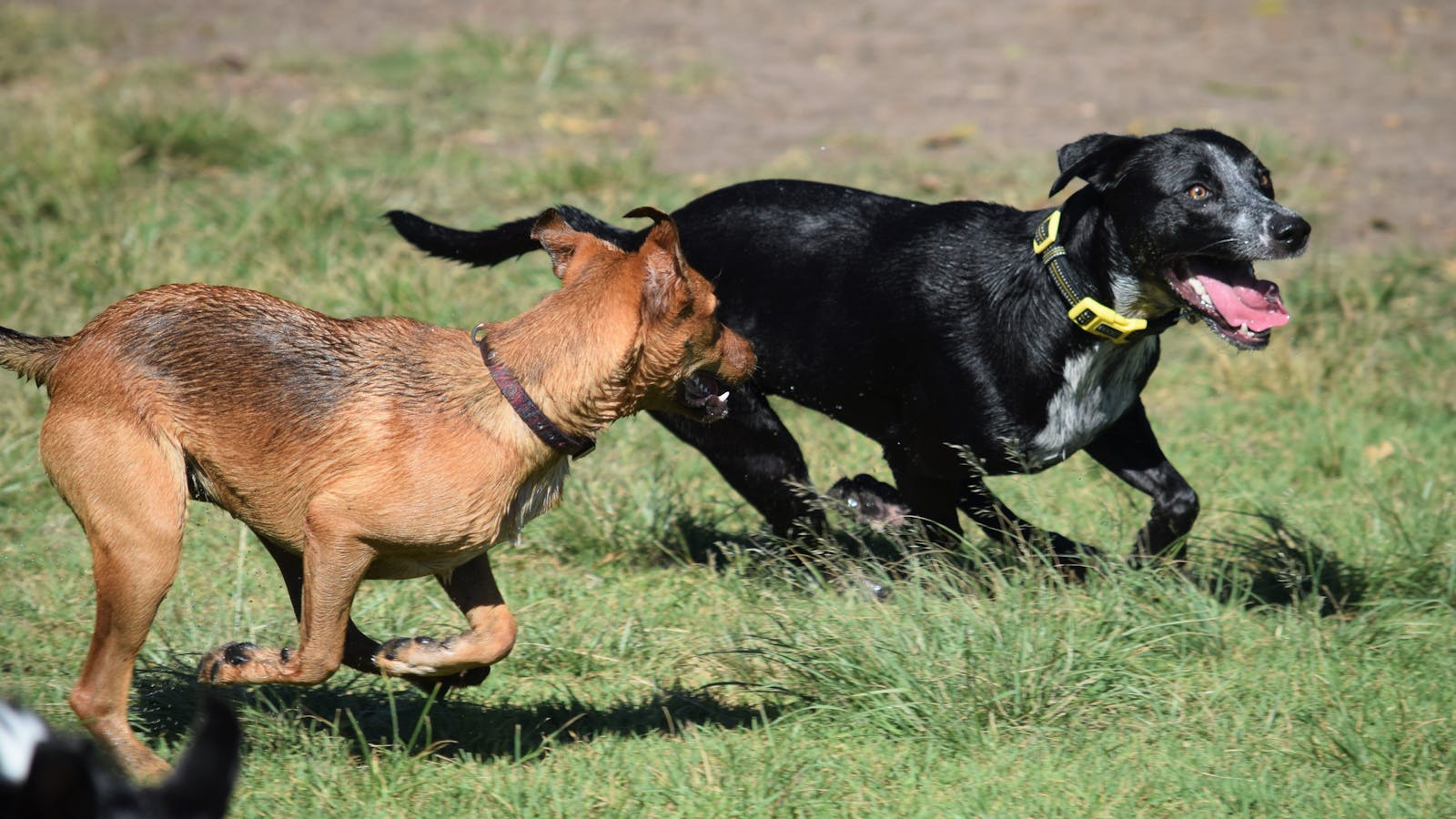
A dog park is the best amenity on your property right up until the moment it becomes the worst one. Brag-worthy in the leasing brochure, mortifying in the next board meeting. The shift can happen in a single rainy month.
We’ve walked into dog parks from Tacoma to Olympia that started the year as marketing gold and ended the year as the agenda item nobody wants to be assigned. Two parks built the same year on similar properties can look completely different by month 18, one stays in the photo shoot, the other shows up in the insurance review. The variable is never the install. It’s the management.
This is the playbook for keeping yours on the right side of that line. Station placement, cleanup cadence, sanitization, signage, and the boring-but-decisive policies that separate a community asset from a liability.
What Makes Dog Park Management Different
Dog park management isn’t just “regular pet waste removal, but smaller.” The volume per square foot is dramatically higher, the surface is usually different, and the user base is concentrated.
Three things make dog parks unique:
1. Concentrated waste volume. A 5,000-square-foot dog park used by 30-50 dogs per day generates more waste per acre than any other pet-use surface on the property. Compliance with self-cleanup is typically lower than on private yards because users are temporary visitors.
2. Surface complexity. Most dog parks use a mix of natural grass, decomposed granite, artificial turf, gravel, or wood chips. Each surface needs different cleanup techniques and different sanitization approaches. We covered the artificial turf angle in detail in Artificial Grass and Dog Waste: Keeping Your Turf Clean and Odor-Free.
3. Public health stakes. Multiple dogs sharing the same space concentrate pathogens that would normally stay isolated to single yards. Giardia, parvo, hookworm, and Toxocara can all spread through inadequately maintained dog parks. We covered the science in Pet Feces Removal: The Hidden Health Risks in Your Backyard.
These differences mean dog park management needs a dedicated plan, not just an extension of general pet waste cleanup.
Station Placement at Dog Parks
Pet waste station placement at dog parks follows different rules than general HOA station placement. Some guidelines:
Minimum one station per entry/exit point. Dogs and owners come in here. Bags should be available before they walk in (so cleanup-prepared) and right at the exit (so used bags can be discarded immediately).
One station per 2,500-3,000 square feet inside the park. This is much denser than general HOA placement. A 5,000-square-foot park needs at least 2-3 internal stations beyond the entry stations.
Double-dispenser stations are the norm. Single-dispenser stations run out too fast at dog park volumes.
Plan for shade. Vinyl signage, plastic dispensers, and rubber components degrade fast in direct sun. Park-quality stations should be placed under tree cover when possible, or built with UV-resistant materials.
Visibility from common paths. Stations placed behind benches or in corners get under-used. Place stations in clear sightlines from the dog play areas.
Cleanup Schedules
Dog park cleanup frequency depends on volume:
| Daily dog count | Cleanup frequency |
|---|---|
| 5-15 dogs/day | 3x weekly minimum |
| 15-40 dogs/day | Daily or every other day |
| 40+ dogs/day | Daily, with mid-day check during peak season |
| Seasonal heavy use | Daily during summer, 3x weekly off-season |
These numbers are higher than general HOA cleanup because the density of waste is higher. Skipping a day at a busy dog park doesn’t double the next day’s work, it triples it because waste starts breaking down into the surface, drawing pests, and generating odor that requires sanitization to clear.
For a property that includes both a dog park and general common areas, the dog park gets its own cleanup schedule and its own pricing line. Bundled with general commercial pet waste removal is typical.
Surface-Specific Maintenance
Each dog park surface needs different care.
Natural Grass
Most common and most challenging. Grass holds odor and pathogen residue longer than any other surface. Maintenance includes:
- Weekly cleanup at minimum, daily during heavy use
- Quarterly enzyme-based deodorizing of high-use zones
- Seasonal turf replacement in chronic problem areas
- Drainage check (waterlogged grass holds more contamination)
The full enzyme treatment science is in our yard disinfecting guide.
Artificial Turf
Becoming more common in newer dog parks for drainage and consistency. Requires different care:
- Daily solid waste removal (mandatory, turf doesn’t absorb urine, so residue sits)
- Weekly rinse to dilute urine in the infill
- Monthly enzyme treatment at minimum
- Quarterly deep clean with pressure washing and antimicrobial infill treatment
- Infill replacement every 2-4 years
See our artificial grass cleanup guide for the full breakdown.
Decomposed Granite or Gravel
Common in arid-climate dog parks but also seen in PNW dog parks for drainage. Care:
- Daily visible waste removal
- Periodic surface raking to expose contaminated material to UV
- Quarterly enzyme treatment in chronic use areas
- Top-dressing with fresh material annually
Wood Chips or Mulch
Common in shaded park areas. Care:
- Daily visible waste removal
- Watch for fungal growth and fly infestation
- Annual full replacement of mulch
- Monthly enzyme treatment of high-use zones
Sanitization Schedule
Beyond visible waste removal, dog parks need scheduled sanitization to manage pathogens that survive in soil long after the visible waste is removed.
Recommended sanitization schedule for a typical dog park:
| Treatment | Frequency | Notes |
|---|---|---|
| Enzyme treatment of designated potty zones | Weekly | Especially fall through spring (PNW pathogen survival) |
| Full surface enzyme application | Monthly | Includes play areas |
| Pressure washing of hardscape and stations | Quarterly | Concrete pads, benches, station bases |
| Deep enzyme application after disease outbreaks | As needed | If parvo or kennel cough is confirmed in the area |
| Surface UV exposure during summer | Daily | Rake decomposed granite, gravel, or wood chips |
The PNW’s cool, moist climate extends pathogen survival significantly compared to drier regions. Bacteria that would die off in 2-3 weeks in Phoenix can survive 8-12 weeks in moist Tacoma soil. Aggressive sanitization isn’t optional in this climate, it’s a public health baseline.
Signage and Compliance
Signage matters more at dog parks than at general HOA stations. Park users are often visitors, sometimes guests of residents, who don’t know your community’s pet policies.
Essential signs:
- Park hours posted at entry
- Compliance rules: leash to and from park, clean up after pets, no aggressive dogs, max dogs per handler
- Pet waste station locations marked clearly
- Emergency contact for incidents
- Optional: small-dog vs large-dog zones if your park has them
Signage should be replaced every 18-24 months in PNW outdoor conditions. Faded signs read as neglect and tank compliance.
Policy Decisions
Beyond physical maintenance, dog park management involves a few policy calls that boards and managers should make explicit:
Vaccination requirements. Posted vaccination requirements (especially Bordetella and DHPP) reduce communicable disease risk. Enforcement is largely social, posted requirements set expectations.
Hours of operation. Dawn-to-dusk is standard. Late-night use generates noise complaints and reduces visibility for cleanup crews. Posted hours prevent ambiguity.
Maximum dogs per handler. Two or three is typical. More than that becomes a safety issue and concentrates waste from one source.
Size separation. Larger parks often separate small dogs and large dogs. Reduces aggression incidents and concentrates similar play styles.
Suspension authority. Who has authority to ban a specific dog or handler from the park after incidents? Posted policy with a clear escalation chain matters more than the rule itself.
Cost Considerations
Dog park management is typically priced separately from general HOA cleanup:
- Small dog park (under 5,000 sq ft, 10-20 dogs/day): $200-400/month with 3x weekly cleanup
- Medium dog park (5,000-10,000 sq ft, 30-50 dogs/day): $400-800/month with daily cleanup
- Large dog park (10,000+ sq ft, 50+ dogs/day): $800-1,500+/month with daily cleanup plus weekly sanitization
Add quarterly deep sanitization treatments: $150-300 per visit. Add artificial turf maintenance package if applicable: $200-500 per visit.
For property-wide pricing context, see the 2026 pet waste removal pricing guide and the HOA cost breakdown.
When Dog Parks Don’t Work
Some properties try to install dog parks and discover they don’t work. Common reasons:
- Site is too small for the resident dog population
- Drainage problems mean the park is muddy most of the year
- Adjacent units complain about noise (siting matters)
- Maintenance budget wasn’t planned for ongoing costs
- No board champion to enforce policies
In these cases, the right answer might be to convert the space to a designated relief area (much simpler to maintain) and direct residents to nearby public dog parks. Better to have one well-maintained relief area than a poorly-maintained dog park.
Choosing a Service Provider
A few criteria to evaluate dog park service providers:
- Park experience. Have they serviced dog parks before, or are they applying residential cleanup to a park context?
- Sanitization capability. Do they offer enzyme treatments, pressure washing, and surface-specific maintenance?
- Reporting. What documentation will you receive after each visit?
- Insurance. General liability with dog park coverage specifically.
- Local route presence. Out-of-area providers will skip visits.
The Squad runs dog parks across Pierce, Kitsap, and Thurston counties as part of our commercial pet waste management and waste station installation services. We’ll walk your park, point out the placement problems your last vendor missed, and send back a custom maintenance plan, on the house. No more weekend board meetings about the dog park.
Frequently Asked Questions
How often should a dog park be cleaned?
Daily for parks with 15+ dogs per day. Three times a week minimum for lower-volume parks. PNW conditions favor more frequent cleanup because cool, moist weather extends pathogen survival significantly.
What kind of pet waste station works best for dog parks?
Double-dispenser stations placed at every entry/exit and at least one per 2,500-3,000 square feet of interior park space. Single-dispenser stations run out too fast at dog park volumes.
How do I deal with dog park odor?
Enzyme-based treatments applied weekly to high-use zones eliminate odor at the source. Mask-only sprays don’t work. For the full breakdown of what kills bacteria vs what doesn’t, see our yard disinfecting guide.
What surface is best for a dog park?
Depends on climate and use. Natural grass is the most resident-friendly but hardest to maintain. Artificial turf is the most maintainable but needs aggressive enzyme treatment to manage urine. Decomposed granite drains well but can get muddy in PNW rain. Most successful dog parks use a mix.
Can dog parks transmit diseases between dogs?
Yes. Parvo, kennel cough, Giardia, and Toxocara can all spread in inadequately maintained dog parks. Posted vaccination requirements, regular sanitization, and prompt waste removal all reduce risk significantly.
How much should an HOA budget for dog park maintenance?
Plan for $200-1,500/month depending on park size, plus quarterly sanitization deep cleans at $150-300 each. Factor in signage replacement every 18-24 months and full station replacement every 7-10 years.
Do dog parks increase or decrease property values?
Well-maintained dog parks are a documented amenity that increases leasing rates and property values in pet-friendly communities. Poorly maintained dog parks decrease values. The maintenance budget is the variable.
Free Dog Park Assessment
We'll walk your dog park, identify problem areas, and send a custom maintenance proposal.
Request Assessment