Dog Waste Odor Control: Eliminating Pet Smells in PNW Yards
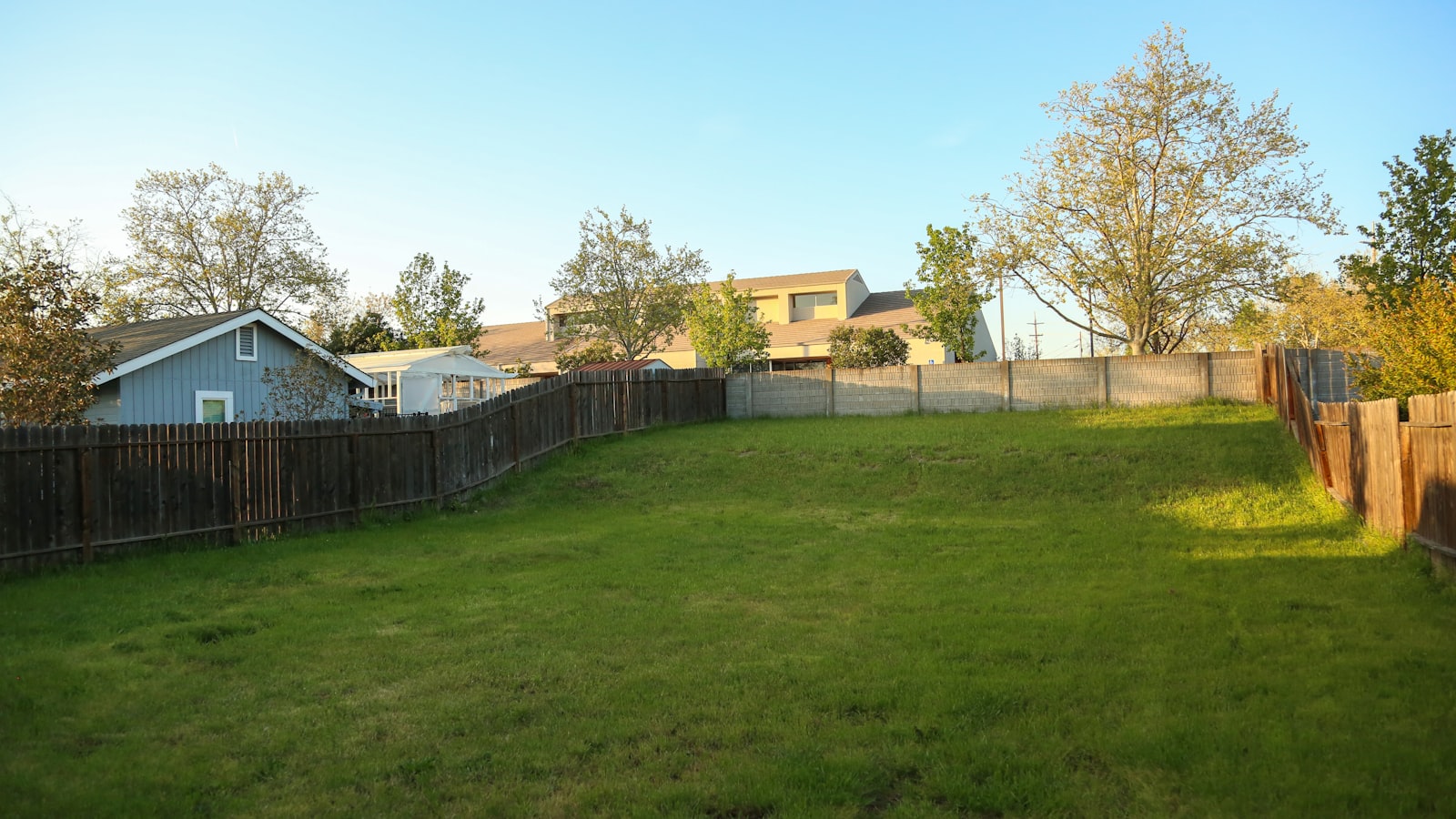
You scooped the yard last weekend. You can see you scooped it. So why does the backyard still smell like a kennel the second the sun comes out?
Welcome to the most underrated villain in PNW pet ownership: the smell that doesn’t leave with the poop. You bag the visible stuff, take it to the bin, dust off your hands… and a week later your pup goes outside and there it is again. Sharp. Faintly nauseating. Mocking you.
Here’s the good news: yard odor is a solvable problem. Not a “spray something and hope” problem, a real one with real fixes. This post breaks down what’s actually causing it, what genuinely makes it go away, and the home remedies you can stop wasting money on. Treat the cause, not the symptom, and your yard goes back to smelling like a yard.
What Actually Causes Outdoor Pet Odor
Dog waste odor isn’t one thing. It’s three different chemical processes happening on the same surface:
1. Ammonia from urine. Dog urine contains urea, which breaks down to ammonia as bacteria process it. Ammonia is the sharp, eye-watering smell you notice in dog runs and high-use grass areas. It binds to soil and surfaces and continues releasing for weeks after the urine itself has dried.
2. Mercaptans and sulfides from feces. Even after you pick up the visible waste, microscopic residue stays behind in the soil. Bacteria continue breaking it down, releasing sulfur compounds (mercaptans) and other organic acids. These are the deeper, more nauseating smells.
3. Bacterial blooms in the soil. Pet waste bacteria don’t stop reproducing when the waste is removed. They colonize the surrounding soil and continue producing odor compounds as they metabolize. This is why the smell often returns days after cleanup.
All three processes happen continuously in any spot where a dog regularly goes. Removing visible waste handles maybe 30% of the odor source. The rest is bound to the soil and surfaces.
We covered the full pathogen and chemical breakdown in Pet Feces Removal: The Hidden Health Risks in Your Backyard.
Why PNW Conditions Make This Worse
Pacific Northwest climate amplifies outdoor pet odor problems in ways that drier regions don’t experience:
Persistent moisture extends bacterial activity. Cool, wet PNW soil keeps the odor-producing bacteria active year-round. In Phoenix, sun and heat dry out the residue and kill the bacteria fast. In Tacoma, the bacteria are still producing odor compounds 8-12 weeks later.
Limited UV exposure. Sunlight breaks down odor compounds and kills bacteria. Most PNW yards get insufficient direct UV from October through April. Shaded areas under trees never get enough.
Cool groundwater temperatures. Dog urine pathogens and odor compounds are most stable at 35-50°F, which describes PNW groundwater year-round.
Rain redistributes contamination. Rather than washing odor compounds away, PNW rain dissolves them and spreads them through surrounding soil. The original odor zone grows over time.
The practical result: a dog run that would have stopped smelling after a few weeks in a dry climate keeps smelling indefinitely in PNW conditions. Active treatment is required, not just waiting it out.
What Actually Works for Outdoor Pet Odor
A few approaches genuinely eliminate pet odor at the source. Most “yard odor control” products don’t.
Enzyme-Based Treatments
The gold standard for outdoor pet odor neutralization. Enzymes work by breaking down the organic compounds that cause the smell, eating the proteins, fats, and ammonia compounds rather than masking them.
What good enzyme treatments target:
- Ammonia from urine
- Organic residue from feces
- Bacterial colonies that produce odor
- Mercaptans (sulfur compounds)
Enzyme treatments are:
- Pet-safe and kid-safe (won’t harm your dog or family)
- Lawn-safe (won’t burn grass)
- Biodegradable
- Effective with cumulative use, odor in chronic problem areas drops noticeably after 3-4 applications
This is the basis of professional yard deodorizing services. For a deeper breakdown of how enzymes work and what to look for in products, see Yard Disinfecting for Pets: What Actually Kills Bacteria After Pet Waste.
Hot Water and Pressure Washing (Hardscape Only)
For concrete dog runs, patios, and hardscape pet areas, pressure washing with hot water (140°F+) physically removes odor-causing residue. Combined with enzyme treatment, this is effective for hardscape.
Not appropriate for grass or soil, pressure washing damages turf and doesn’t reach the depth where soil-bound compounds live.
Surface Replacement
For chronic odor problem areas, sometimes the right answer is replacing the surface. Removing the top 4-6 inches of contaminated soil and replacing with fresh material eliminates the chemical residue entirely.
Practical for small, defined areas like a designated dog potty zone. Not practical for whole lawns.
Dog Run Sand or Pea Gravel
Some homeowners switch from grass to drainage-friendly material (pea gravel, decomposed granite, sand) in designated dog areas. These surfaces don’t bind odor compounds the way soil does. With weekly enzyme treatment, they stay relatively odor-free.
What Doesn’t Work (And Please Stop Buying It)
A lot of products claim to control outdoor pet odor. Most either don’t work, mask the problem for a few hours, or actively make things worse. Here’s the hall of shame:
Vinegar. Has some antimicrobial properties at high concentrations. At dilutions safe for lawn application, it’s mostly acidifying your soil. Does little for parasites and odor compounds bound to soil.
Baking soda. Absorbs surface odor temporarily. Doesn’t kill anything. Washes away with rain. Useless in PNW conditions.
Lime (calcium hydroxide). Sometimes recommended as a “neutralizer.” It’s caustic, will burn paws and skin, and creates more problems than it solves. We covered this in What to Put on Dog Poop to Neutralize It Safely.
Air fresheners and yard fragrance sprays. Masking agents only. The underlying compounds keep off-gassing. The fragrance lasts a few hours; the actual smell comes back, often worse.
Coffee grounds. Some homeowners scatter coffee grounds in dog areas. Doesn’t neutralize anything. Can acidify soil over time, killing grass.
Dog poop dissolvers. These are spray products that claim to dissolve dog waste. They don’t work in PNW conditions, and they don’t address odor anyway. See Stop Wasting Money on Dog Poop Dissolvers in the PNW and The Search for the Ultimate Dog Poop Dissolver.
“Pet-safe” yard sprays from big-box stores. Quality varies enormously. Most are masking agents or weak enzyme dilutions. The products that actually work tend to be professional-grade and not sold in retail.
A Treatment Schedule That Actually Works
For a typical PNW household with one or two dogs and a chronic odor problem in a specific yard area:
Week 1:
- Pick up all visible waste, clean as thoroughly as possible
- Apply enzyme treatment to chronic odor zones
- For hardscape areas: pressure wash, then apply enzyme
- For grass: enzyme application only, no pressure wash
Weeks 2-3:
- Continue weekly waste pickup
- Apply enzyme treatment again
- Don’t expect odor elimination yet, building up bacterial conversion
Week 4:
- Continue weekly enzyme treatment to chronic zones
- Notable odor reduction should be visible
- Add a second treatment per week if odor is still strong
Month 2+:
- Monthly enzyme treatment of formerly-chronic zones
- Continue weekly waste pickup
- Spot-treat after heavy use or rainy stretches
This approach eliminates established odor in about 4-8 weeks for most properties. Maintenance treatment monthly thereafter keeps it gone.
When to Hand It Off to the Pros
DIY enzyme treatment works great if you’re disciplined enough to actually do it every week for two months. Most of us are not. Life gets in the way, the bottle ends up under the sink, and a month later the yard smells worse than when you started.
That’s where we come in:
- Professional-grade enzymes are more concentrated and faster-acting than anything you can grab at the hardware store
- Our crews handle the whole yard in one visit, not one chronic zone at a time
- Combined with weekly waste removal, the cumulative odor elimination is dramatically faster
- Consistent scheduling beats DIY commitment, every time
The whole point of Dooky Squad’s yard deodorizing service is to take this off your plate for good. Residential yards, commercial dog parks, HOA shared areas, we treat them all with the same enzyme system. Pairs naturally with weekly waste removal to say “toodle-loo” to the smell along with the rest of the dirty work.
Special Situations
Artificial turf with chronic odor. Most challenging odor scenario. Artificial turf doesn’t drain like soil and traps urine in the infill. Requires specific enzyme protocols and possibly infill replacement. See Artificial Grass and Dog Waste: Keeping Your Turf Clean and Odor-Free for the full protocol.
Dog runs in fenced enclosures. High waste concentration. Enzyme treatment needs to be more frequent (weekly minimum) until established odor is eliminated. Consider switching surface to pea gravel or decomposed granite for easier maintenance.
HOA shared dog areas. Multiple dogs concentrate the problem. Professional weekly enzyme treatment combined with daily waste removal is the standard. See Commercial Pet Waste Management for HOAs and Property Managers.
New properties with existing odor. Sometimes new homeowners discover their property had a previous dog problem that the previous owner didn’t disclose. Professional enzyme treatment can usually eliminate even years-old established odor in 6-8 weeks.
Frequently Asked Questions
Why does my yard still smell after I cleaned up?
Odor compounds bind to soil and surfaces and continue off-gassing for weeks after the visible waste is gone. The bacteria that produced the original odor are still in the soil producing more. Visible cleanup handles about 30% of the odor source. Active enzyme treatment handles the rest.
What’s the best dog waste odor neutralizer for outdoor use?
Enzyme-based treatments. Avoid masking agents (fragrance sprays), home remedies (vinegar, baking soda, lime), or “biodegradable” sprays without specifics. Professional enzyme products work faster than retail enzymes.
How long does it take to eliminate established yard odor?
4-8 weeks with weekly enzyme treatment for most properties. Chronic problem areas may take longer. Worse problem areas (artificial turf, fenced dog runs) may need 8-12 weeks plus surface treatment.
Are enzyme treatments safe for my dog and kids?
Yes when used as directed. Enzyme treatments are designed for pet and kid contact within 15-30 minutes of application (after drying). Avoid lime, bleach (on lawn), or any caustic products around children and pets.
Will rain wash away the enzyme treatment?
Not immediately. Enzymes bind to the surface during the dry-down period (15-30 minutes). After that, they’re working in the soil regardless of rain. Heavy rain within an hour of application reduces effectiveness; rain after that doesn’t.
Can I just use diluted bleach to control yard odor?
No on grass (kills it). No on soil (sterilizes the soil). Bleach is appropriate for hard surfaces only, concrete dog runs, patio pavers. For grass and soil odor, use enzyme treatments.
How often should I treat my yard for pet odor?
Weekly during the initial 4-8 week treatment period to eliminate established odor. Monthly thereafter for maintenance. More frequent (every two weeks) for multi-dog households or chronic problem areas.
Does professional yard deodorizing actually work better than DIY?
Yes for most properties. Professional enzymes are more concentrated than retail products, and crews handle large areas faster than homeowner application. Pairs naturally with regular waste removal for full odor elimination.
Try Yard Deodorizing
Eco-friendly enzyme treatments that neutralize pet odors at the source, safe for pets, kids, and lawns.
Get a Free Quote