
Is dog poop good fertilizer? The lawn myth that is wrecking your grass
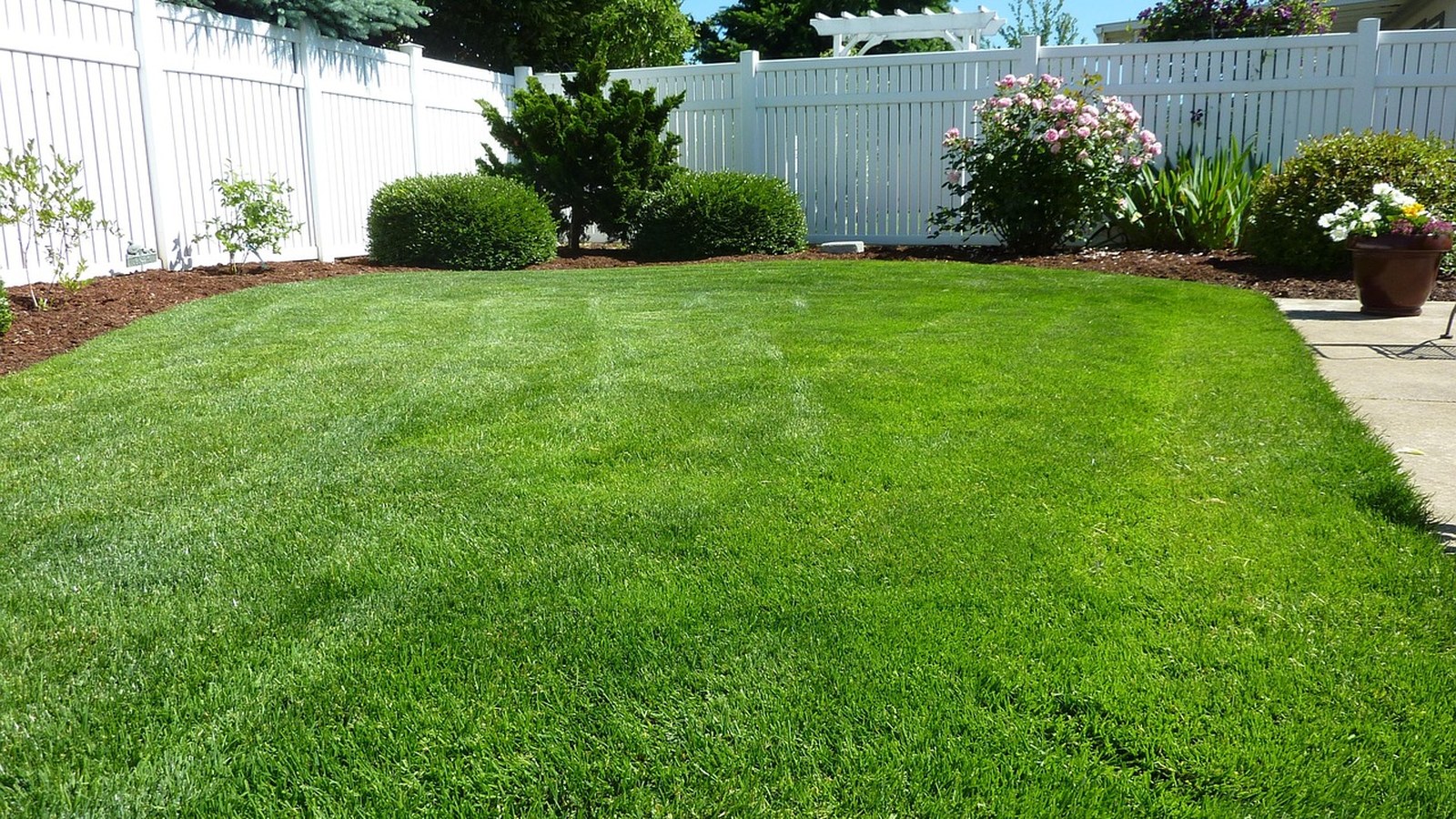
Somebody has said it to you in your own backyard, probably while holding a drink. Just leave it, it’s fertilizer. Maybe it was a neighbor in Puyallup, maybe your brother-in-law, maybe a comment on a Tacoma community group. It sounds reasonable enough that most people never ask the follow-up question, so let’s ask it: is dog poop good fertilizer? No. It is close to the opposite, and if you have been letting piles sit on the theory that the grass will eventually thank you, that theory is a decent chunk of why your lawn looks the way it does right now.
Where the fertilizer idea comes from
The belief is not stupid. It comes from something real. Cow manure, horse manure, and aged chicken manure genuinely are soil amendments, and gardeners in Orting and the Puyallup Valley have been hauling them by the pickup load for generations.
But those animals are herbivores. Their waste is mostly broken-down plant fiber, and once it ages or composts properly, what is left is bulky organic matter with a mild, slow nutrient profile. That is a soil conditioner in the truest sense.
Dogs are not herbivores. A dog eats a high-protein diet, and protein metabolism produces nitrogen and salts as waste products. What lands on your lawn is not fibrous plant material. It is concentrated animal waste carrying a bacterial load that never belonged in your topsoil. Same word, manure, completely different substance.
Is dog poop good fertilizer for grass? Not in the way people mean it
Here is the part that keeps the myth alive: nitrogen really is the headline ingredient in lawn fertilizer. So the instinct is not coming out of nowhere.
The problem is dose and delivery. A bag of lawn fertilizer is engineered to spread a measured amount of nitrogen evenly across a thousand square feet. Your dog delivers it to one spot, all at once, at a concentration no turfgrass was built to absorb.
The University of Missouri’s integrated pest management program walks through the mechanism in useful detail. Urine does the most dramatic visible damage because it arrives concentrated and all at once, while feces release the same waste products more gradually over time.
That second half is the part everyone skips. Feces still release the same nitrogen and salts. They just do it slowly, sitting on your grass, week after week, in the same three or four spots your dog has decided are the correct spots. That is not fertilizing. That is a slow leak.
What it actually does to the grass underneath
Go walk the route your dog takes. You will usually find some combination of these:
- Yellow or outright dead patches where the nitrogen and salt concentration cooked the crown of the plant
- Dark green rings circling those patches, which is the diluted outer edge behaving exactly like fertilizer and proving the middle got far too much
- Bare, compacted ground where a pile sat long enough to smother the blades and block the light
- Thin, ratty turf that never quite recovers between mowings
Then there is the purely physical problem, which nobody thinks about. A pile sitting on a lawn is a lid. Grass under a lid does not photosynthesize. Through a dry August it hardens into a shell that shades whatever is under it, and the moment the rain comes back it turns into a wet mat holding moisture against the crown. In this climate that is an open invitation to moss and fungus, and moss is already winning in plenty of Tacoma and Bremerton yards without any help.
If the damage has become the main story in your yard rather than the piles themselves, we walked through the full recovery sequence in our guide to reclaiming a lawn from dog poop.
The part you cannot see
Set the grass aside for a second, because there is a second reason the fertilizer theory fails and it has nothing to do with turf.
Real fertilizer is inert. Dog waste is alive. Thurston County’s pet waste program puts it at 23 million fecal coliform bacteria in a single gram, which is roughly the size of a pea. Add giardia, plus roundworm and hookworm eggs that keep surviving in soil long after the pile itself has broken apart.
Cool, damp ground is close to ideal storage for those eggs, which is an unfortunately accurate description of a South Sound lawn from late September straight through to spring. The pile visually disappears. What it left behind does not. We went deeper into that in the health risks hiding in pet waste.
In practical terms, the yard you thought you were fertilizing is the same yard your kids kneel in, your dog rolls in, and your shoes track into the hallway.
Why September is the worst month to keep believing this
Timing is what turns a harmless myth into an expensive one.
Fall is the best lawn renovation window we get in western Washington. WSU Extension’s Master Gardener lawn tip sheet for the Puget Sound region points to April and May or September as the best times to overseed, and recommends overseeding and topdressing thin areas in September and October. The soil still holds summer warmth, the rain is on its way back, and weed pressure has dropped off. Seed you put down in the next few weeks will establish better than seed put down at almost any other point in the year.
Which means that right now, in Lakewood and South Hill and Silverdale, a lot of households are about to buy grass seed, rake out the thin patches, and topdress with compost over ground that still has a full summer of waste sitting on it.
That is the costly version of this myth. You are not only failing to feed the lawn, you are seeding into salt-loaded, compacted, shaded spots and then wondering in November why the new grass filled in everywhere except the places that needed it most.
What to do instead, in this order
If you want the fall reset to actually take, sequence it:
- Clear everything first. Not just the fresh piles, everything, including the flattened dried pieces along the fence line and the ones tucked under the deck stairs.
- Rinse the hot spots. A few minutes of hose on the worst patches helps flush accumulated salts down past the root zone. Do this before you open a bag of seed.
- Handle the smell now rather than later. Once the rain rehydrates a summer’s worth of residue, yards get loud fast. Here is our approach to odor in a wet PNW yard.
- Then aerate, seed, and topdress. Compost is the amendment you actually wanted the whole time. It is bulky, it is stable, and it is not carrying parasites.
- Keep the yard cleared while the seed establishes. New grass has almost no root system for the first several weeks, and one pile parked on a germinating patch will erase it.
Follow that order and September does what September is supposed to do here. Skip it and you have paid for seed to repair damage you are still actively creating.
What about composting it?
Fair question, and a more interesting one than the fertilizer myth.
Composting dog waste and using dog waste as garden fertilizer are two different goals. The first is about disposal. The second is about feeding plants, and on that second one the county guidance is blunt. Snohomish County’s stormwater program tells residents that backyard compost piles and yard waste bins simply do not reach the temperatures needed to kill the organisms in pet waste. A compost pile in Port Orchard in October is not sterilizing anything.
So no dog waste in the yard waste bin, none worked into a vegetable bed, and none spread on the lawn on purpose. If you want waste handled on the property instead of bagged and hauled every week, that is what a properly installed and sealed in-ground system is for, and it is a containment tool rather than a source of garden compost. We laid out the realistic disposal options in eco-friendly dog waste disposal beyond plastic bags.
For everything else, the boring answer is still the correct one, and it is the same one every jurisdiction we serve gives: bag it and put it in the trash.
The short version
Is dog poop good fertilizer? No. It burns the grass in the spots it sits, smothers the blades it covers, feeds moss the moment the rain returns, and leaves behind pathogens that outlast the pile by months. The nitrogen is real enough. The delivery method is what turns it into a problem instead of a benefit.
Pick it up, especially this month, and the lawn goes back to taking care of itself the way it always could.
Let us clear it before you seed
Nobody wants to spend a wet October Saturday combing a Gig Harbor backyard with a rake and a flashlight. That is our entire job. We run weekly and twice-weekly residential service across Pierce, Kitsap and Thurston counties, which means the yard is clear before you overseed and stays clear while the new grass takes hold.
Clear the yard before you seed
Fall overseeding only works on a yard that is actually clear. We handle dog waste removal across Pierce, Kitsap and Thurston counties so your new grass gets a fair shot.
Get a Free Quote