
Maggots in dog poop, flies, and rats: what dog waste attracts in late summer
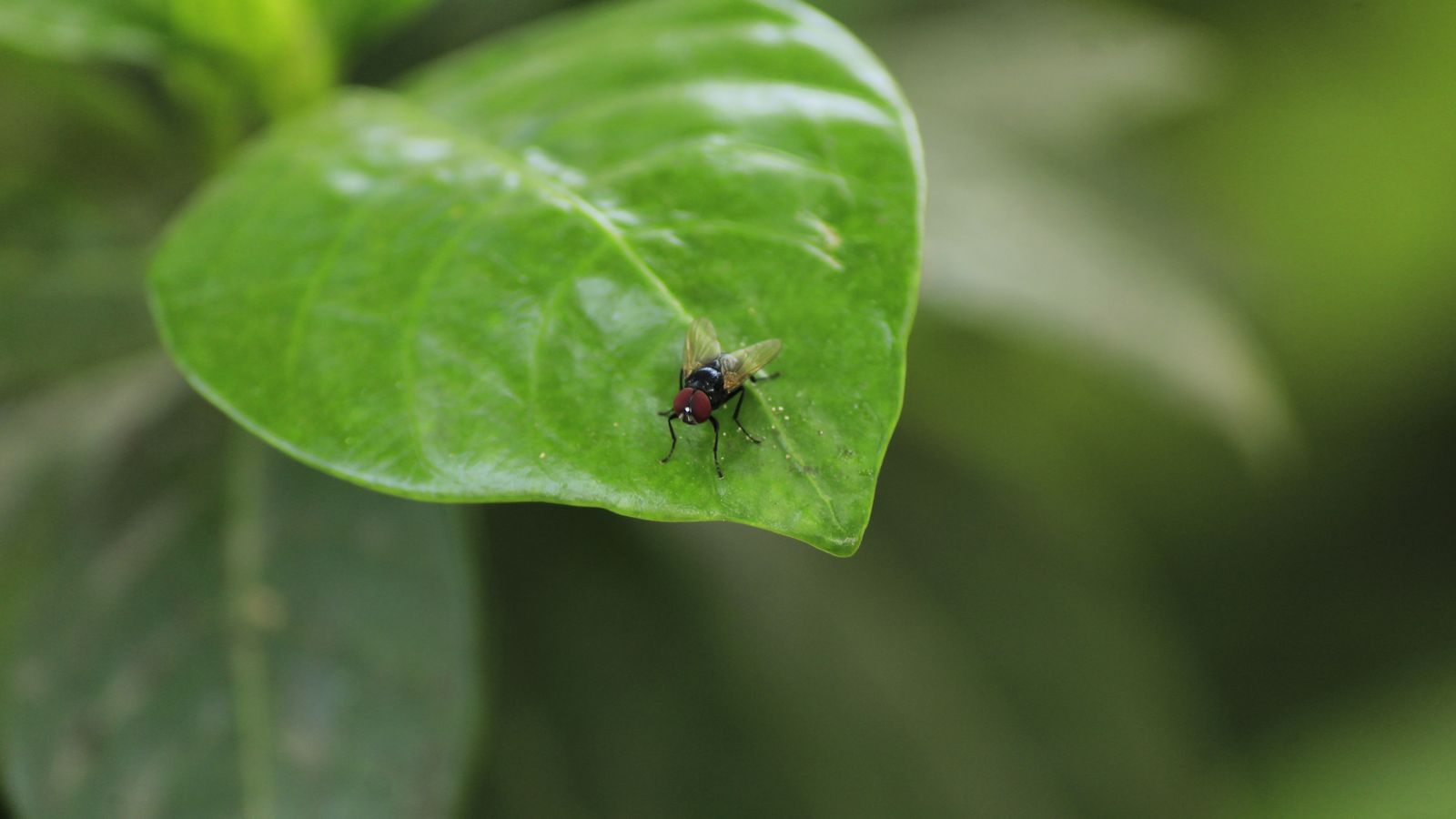
You put off the backyard for a week because it was hot and you had things to do. Then you went out with the scooper, tipped a pile, and it moved.
Congratulations, you have found maggots in dog poop, and you are now one of the many South Sound dog owners who discovers in mid-August that the yard has quietly turned into a pest buffet. It is genuinely gross. It is also completely predictable, and it is on a schedule you can plan around.
Here is what dog waste actually pulls into a yard between now and the first real rain, in the order it shows up.
Why you are suddenly finding maggots in dog poop
Those white, rice-grain-shaped things wriggling in a two-day-old pile are fly larvae. An adult fly found the pile within hours of your dog leaving it, laid eggs on the warm surface, and the eggs hatched.
WSU Extension puts the whole house fly life cycle, egg to larva to pupa to adult, at eight to ten days depending on weather. Late August in Tacoma, Lakewood, and Puyallup is the warmest, driest stretch we get all year, which is the fast end of that range. So a pile you skip on Saturday can produce a new generation of adult flies before the following weekend. Those adults go lay eggs on the next pile. That is why a yard goes from “fine” to “why are there flies on the patio table” in about two weeks with no other change.
One important exception, because it matters: if you see small white segments moving in fresh poop, straight from the dog, that is not maggots. Fly eggs need time on the ground. Moving white flecks that look like grains of rice coming out of your dog are usually tapeworm segments, and that is a vet call, not a yard problem. We covered that and the rest of the parasite picture in our post on the hidden health risks in pet waste.
Flies get there first, and they work fast
Filth flies breed in animal waste. That is the entire strategy of their species. Your yard, from their point of view, is a well-stocked nursery with fresh deliveries twice a day.
What that means practically in a Gig Harbor (Artondale) or Silverdale (Sterling Hills) backyard in August:
- Flies do not stay on the poop. They land on it, then land on your deck railing, your outdoor table, the rim of your kid’s cup, and your dog’s face.
- Sunny, warm, and slightly moist is the ideal breeding condition, which is exactly what a lawn that gets sprinkler water in 80-degree weather provides.
- Removing the pile removes the nursery. Nothing else you do comes close, because everything else is treating adults that already hatched.
If you are also fighting the smell that comes with a fly-heavy yard, that is a related but separate problem, and we broke it down in dog waste odor control for PNW yards.
Rats: the September problem hiding inside the August problem
Here is the part nobody expects. Flies are the summer symptom. Rats are the fall one, and the setup happens now.
Norway rats are established all over Puget Sound, and they are opportunists, not gourmets. Undigested food in dog waste, spilled kibble under a deck, a bag of dog food in an unsealed garage bin, fallen plums and apples, all of it reads as a food source. The Washington State Department of Health is blunt about the fix: remove their sources of food, water, and shelter, and they specifically list cleaning up fallen fruit and animal waste alongside securing pet food.
Now stack the local calendar on top. Nights start cooling in the South Sound in late September, and rodents push in toward warmth: crawl spaces, sheds, garages, the gap under the hot tub, the wood pile against the fence. A yard that has been feeding them all summer is a yard they already know. The blackberry thickets and laurel hedges that line half the yards from Tacoma’s South End to Bremerton (Illahee) give them a covered highway to travel in.
If you want to make your property boring to rats before October, this is the order that actually works:
- Clear the standing waste. All of it, not the visible piles in the middle of the lawn.
- Get pet food into a sealed hard container, indoors or in the garage, never a paper bag on a shelf.
- Pick fallen fruit off the ground. Plum and apple trees are everywhere in older Puyallup and Olympia neighborhoods and they drop hard in September.
- Move the wood pile off the fence line and off the ground.
- Keep the waste bin lid latched and the bin off to the side, not against the house.
Raccoons and coyotes come for the same reason
Bigger visitors work the same logic. Coyotes are common through suburban Lakewood, University Place, and the greenbelts around South Hill, and they are not picky. WDFW’s guidance on living with coyotes is mostly about attractants: secure garbage can lids with clamps or bungees, feed pets indoors, and clear fallen fruit and compost access, because a yard that offers an easy meal teaches coyotes that people mean food.
Raccoons will absolutely tip a loose waste bin and go through it. If your bin has been knocked over twice this month and you have been blaming the wind, it was not the wind.
None of this makes dog waste the single cause of a wildlife visit. It is one item on the menu. But it is the item you control completely, and it is the one that refills itself twice a day.
What actually works
The honest answer is short and a little boring.
Remove the waste on a schedule, not when it bothers you. Twice a week in August is not overkill, it is just slightly faster than the fly cycle. Weekly is the floor. Monthly means you are farming flies.
Do the whole yard, including the perimeter. The piles that cause pest problems are the ones along the fence, behind the shed, and under the laurel, because that is where nobody looks and where the shade keeps things damp. If it has been a while, you may need a full reset cleanup before a schedule can hold.
Bag it and bin it, sealed. The City of Tacoma is direct about this: pet waste does not go in the food and yard waste cart, because it carries bacteria and microorganisms that are hazardous if composted. Bag it, tie it, garbage.
Rinse the pickup zone. After a big cleanup on hard surfaces, hose the spot. Residue on concrete is still a scent trail and still a landing pad.
Your bin is half the battle
You can scoop a yard perfectly and still have a fly problem, because the bin sitting in the sun on the south side of the garage is doing the exact same job the lawn was doing.
- Keep the lid latched. A cracked lid in August is an open invitation.
- Keep the bin in shade if you have any. A black plastic bin in direct sun turns into an incubator.
- Double bag in the heat, and put waste in the bin on the day before pickup when you can, not five days ahead.
- Hose the bin out after collection day, especially if it has been leaking. That film on the bottom is where the next round of eggs goes.
HOA and apartment properties around Lacey, Port Orchard, and DuPont have a version of this at a bigger scale, which is why the station itself needs its own maintenance rhythm. We wrote that up in pet waste station maintenance.
What does not work
Some standard advice deserves to be called out.
Fly spray on the lawn. You are killing adults while the nursery keeps producing. It is expensive, it is temporary, and it does nothing about the pile that caused it.
Those hanging fly bags. They work by smelling worse than what the flies were already after. Hang one near your patio and you have just invited every fly in the neighborhood to a spot ten feet from where you eat dinner. If you use them at all, they belong at the far corner of the property.
Waiting for rain to fix it. Our first real rain usually shows up in late September, and it does not sterilize anything. It softens piles, spreads the mess into the soil and the storm drains, and moves the problem rather than ending it.
Dumping waste in the blackberries at the back of the lot. We see this constantly. All you have built is a permanent, undisturbed breeding site next to a rodent highway.
Quick answers
Does dog poop attract rats? Yes. Undigested food in dog waste is a food source, and a yard with accumulated waste is a yard rodents will already know when nights get cold in late September.
Does dog poop attract flies? Yes, and faster than almost anything else in a residential yard. Filth flies breed in animal waste specifically, and adults find fresh piles within hours.
How do I keep flies away from dog poop? Remove the poop. Same day is best, twice a week is realistic, weekly is the minimum in warm weather. Sprays treat the flies you already have. Scooping removes the reason there are more coming.
Does dog poop attract coyotes? It is not their first choice, but an unsecured yard with garbage, pet food, fallen fruit, and waste is a yard they will keep checking. WDFW’s whole prevention approach is about removing those attractants.
Hand off the dirty work
The fix here is not clever. It is consistent. That is exactly why it does not happen, because it is hot, the yard smells, the flies are up, and nobody wants to go out there with a bag.
That is the job. The Squad handles weekly and twice-weekly waste removal across Pierce, Kitsap, and Thurston counties, which means the piles never sit long enough to hatch anything, and September’s rodents find a yard with nothing on the menu.
Toodle-loo to the poo.
Shut Down the Fly Buffet
Weekly scooping is the one pest step that actually removes the breeding site instead of spraying around it. We cover Pierce, Kitsap, and Thurston counties.
Get a Free Quote